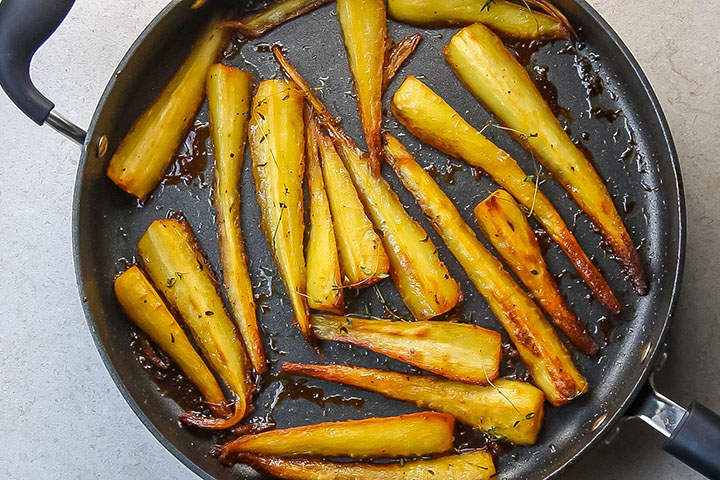
Easy Honey Maple Roasted Parsnips: The Perfect Side
Step into the kitchen and prepare to discover a truly underestimated vegetable transformed into a culinary masterpiece. We're talking about parsnips, often overlooked in favor of their more popular carrot cousins, but brimming with a unique, earthy sweetness that truly shines when roasted. When combined with the irresistible glazes of honey and maple syrup, you get the sensationally sweet, crisp, and utterly addictive dish:
honey maple roasted parsnips. This isn't just another side; it's a revelation that promises to elevate any meal, from a casual weeknight dinner to a festive holiday feast.
Imagine biting into a parsnip that's perfectly caramelized on the outside, gleaming with a sticky, golden-brown glaze, and yielding to a soft, fluffy interior. The subtle hint of fresh thyme adds an aromatic complexity that ties it all together. Best of all, achieving this delectable result is surprisingly straightforward, proving that gourmet flavors don't always require complicated techniques.
Why Honey Maple Roasted Parsnips Are a Must-Try
If you're among the many who haven't yet experienced the magic of parsnips, especially in their roasted form, you're in for a delightful surprise. Parsnips possess a gentle, slightly nutty flavor profile, reminiscent of a sweeter, more delicate carrot, with a distinctive earthy undertone. This makes them an exceptional canvas for sweet and savory preparations.
The combination of honey and maple syrup in this recipe is more than just a sweet glaze; it's a flavor synergy. Honey brings a rich, floral sweetness and a beautiful sheen, while maple syrup contributes a deeper, more complex caramel note. Together, they create a multi-layered sweetness that perfectly complements the parsnip's natural character, leading to an incredibly satisfying sticky and crisp exterior. The fresh thyme, far from being just a garnish, infuses the dish with a herbaceous freshness that cuts through the sweetness and adds an elegant touch.
Beyond their incredible taste, parsnips offer nutritional benefits, including dietary fiber, vitamin C, vitamin K, and folate, making them a wholesome addition to your table. While they make a frequent appearance during the holiday season, their ease of preparation and universal appeal mean you'll want to enjoy these
honey maple roasted parsnips all year long. They offer a delightful alternative to traditional potato or sweet potato sides, bringing a sophisticated yet comforting element to any plate. To truly understand the journey of parsnips from humble root to star side, read
Sweet & Crispy: Discover the Magic of Roasted Parsnips.
Mastering the Perfect Honey Maple Roasted Parsnips: Step-by-Step
Creating these irresistible
honey maple roasted parsnips is a process built on a few key steps that ensure optimal texture and flavor.
Choosing and Preparing Your Parsnips
*
Selection is Key: For the sweetest flavor and best texture, opt for medium-sized parsnips that are lighter in color and feel firm and heavy for their size. Avoid overly large parsnips, as they tend to develop a tough, woody core that can be unpleasant to eat.
*
Cleaning and Peeling: Wash your parsnips thoroughly. While some prefer to leave the skin on for extra fiber and a rustic look, peeling them generally results in a smoother, more refined texture.
*
Uniform Slicing: After peeling, slice the parsnips lengthways. For smaller parsnips, halving them might suffice. For medium to larger ones, quarter them. The goal is to keep the pieces relatively uniform in size to ensure even cooking. If you encounter a woody core in larger parsnips, simply slice it away.
The Crucial Parboiling Step
*
Why Parboil? This step is a game-changer. Parboiling (partially boiling) the parsnips before roasting ensures that they achieve a wonderfully soft and fluffy interior while still allowing the exterior to crisp up beautifully in the oven. It prevents them from being undercooked in the center or overcooked and dry on the outside.
*
How Long? Bring a pot of salted water to a rolling boil. Add your prepared parsnips and cook for precisely 3 minutes. Any longer, and they might become too soft.
*
Drain and Dry Thoroughly: Immediately after parboiling, drain the parsnips completely. This next part is vital: allow them to dry thoroughly, either by spreading them on a clean kitchen towel or paper towels. Excess moisture is the enemy of crispiness, so take your time with this step.
Crafting the Glaze and Roasting to Perfection
*
The Flavorful Coating: In a large bowl, combine melted butter, a generous drizzle of honey, and an equal measure of maple syrup. Add a good pinch of salt and freshly ground black pepper, and finally, the aromatic fresh thyme leaves (stripped from their stems).
*
Toss to Coat: Add your dried, parboiled parsnips to the bowl and toss them gently but thoroughly, ensuring every piece is evenly coated in the sticky, sweet mixture.
*
Roast Away: Spread the coated parsnips in a single layer on a baking sheet. Do not overcrowd the pan; if necessary, use two sheets to ensure proper air circulation, which is crucial for crisping. Roast in a preheated oven (typically around 400°F/200°C) for 20-30 minutes, or until they are tender on the inside and beautifully golden brown and caramelized on the outside. Give them a gentle toss halfway through cooking to ensure even browning. It's that easy and entirely worth every second!
Tips for Flawless Honey Maple Roasted Parsnips Every Time
Achieving perfection with your
honey maple roasted parsnips isn't difficult, but a few expert tips can elevate your results from great to outstanding.
*
Don't Skimp on Quality Ingredients: While the recipe is simple, the flavor relies heavily on fresh, quality ingredients. Use real butter, good-quality honey, and pure maple syrup for the best taste. Fresh thyme is non-negotiable for that aromatic complexity.
*
The Power of Drying: We've said it before, but it bears repeating: thoroughly drying your parboiled parsnips is crucial. Any residual water will steam the parsnips instead of allowing them to roast and caramelize, resulting in a soggy, rather than crispy, finish.
*
Give Them Space: Crowding the baking sheet is a common mistake. When parsnips are too close together, they release moisture, creating steam that prevents them from browning and crisping. Always arrange them in a single layer, with a little space between each piece.
*
Listen to Your Oven: Oven temperatures can vary. Keep an eye on your parsnips, especially during the last 10 minutes of roasting. You want them golden and sticky, not burnt. If they're browning too quickly, you can reduce the heat slightly or cover them loosely with foil.
*
Customization for Adventure: While the classic honey maple and thyme combination is divine, feel free to experiment.
*
Spice it Up: A pinch of cinnamon, nutmeg, or even a tiny dash of cayenne pepper can add an intriguing warmth or subtle kick.
*
Herb Variations: Swap thyme for fresh rosemary or sage, especially if pairing with lamb or pork.
*
Citrus Zest: A little orange or lemon zest tossed in with the glaze can brighten the flavors beautifully.
For more insights into making this dish shine during festive seasons, explore our article on
Honey Maple Roasted Parsnips: Tips for Holiday & Beyond.
Beyond the Plate: Serving Suggestions & Pairings for Honey Maple Roasted Parsnips
The versatility of
honey maple roasted parsnips is one of their greatest assets. They are a brilliant accompaniment to a wide array of main courses and can even be incorporated into other dishes.
*
Classic Roasts: These parsnips are a quintessential pairing for holiday roasts. Think roast turkey, succulent chicken, tender pork loin, or a hearty beef roast. Their sweetness beautifully complements the savory richness of meats.
*
Weeknight Wonders: Don't reserve them just for special occasions. They make an excellent side for simple pan-seared salmon, grilled chicken breasts, or even hearty vegetarian mains like a lentil loaf or mushroom Wellington.
*
Vegetarian & Vegan Adaptations: For a vegan or low-FODMAP option, simply omit the butter and honey, using olive oil and maple syrup as the primary glaze components. The results are still incredibly delicious and satisfying.
*
Creative Culinary Uses: Think beyond the side dish!
*
Grain Bowls: Add a handful of warm roasted parsnips to a hearty grain bowl with your favorite protein and greens for added sweetness and texture.
*
Breakfast Side: Serve them alongside scrambled eggs and bacon for an unexpected, gourmet twist on breakfast or brunch.
*
Warm Salads: Toss them into a warm winter salad with goat cheese, walnuts, and a balsamic vinaigrette for a truly elevated dish.
Conclusion
The journey from an often-ignored root vegetable to a standout side dish is complete with these effortless
honey maple roasted parsnips. Their captivating blend of sweet, earthy, and aromatic flavors, combined with a delightful crisp-tender texture, makes them an undeniable crowd-pleaser. Whether you're a parsnip enthusiast or trying them for the first time, this recipe promises an easy, rewarding, and utterly delicious culinary experience. So, roll up your sleeves, gather your ingredients, and prepare to add a new favorite to your repertoire that will leave everyone asking for more.